
Experiential Marketing in the Offline World
In today’s crowded marketplace, it’s no longer enough for brands to be seen — they need to be experienced. Traditional advertising informs, but experiences inspire. That’s the core of experiential marketing: creating live, offline interactions that build emotional connections and lasting memories.
For marketing managers, experiential marketing is one of the most powerful tools in the offline world. Whether through exhibitions, product launches, activations, or conferences, it’s about bringing the brand to life where people can see, touch, and feel it.
What Makes Experiential Marketing Powerful
Unlike traditional campaigns, experiential marketing goes beyond messaging. It engages the senses, involves audiences directly, and transforms them from passive viewers into active participants. When people experience a brand in real life, they form stronger emotional bonds and are more likely to remember and recommend it.
Example: A hands-on product demo at an exhibition allows customers to experience quality firsthand — far more impactful than a brochure.
Exhibitions: Where Brands Become Experiences
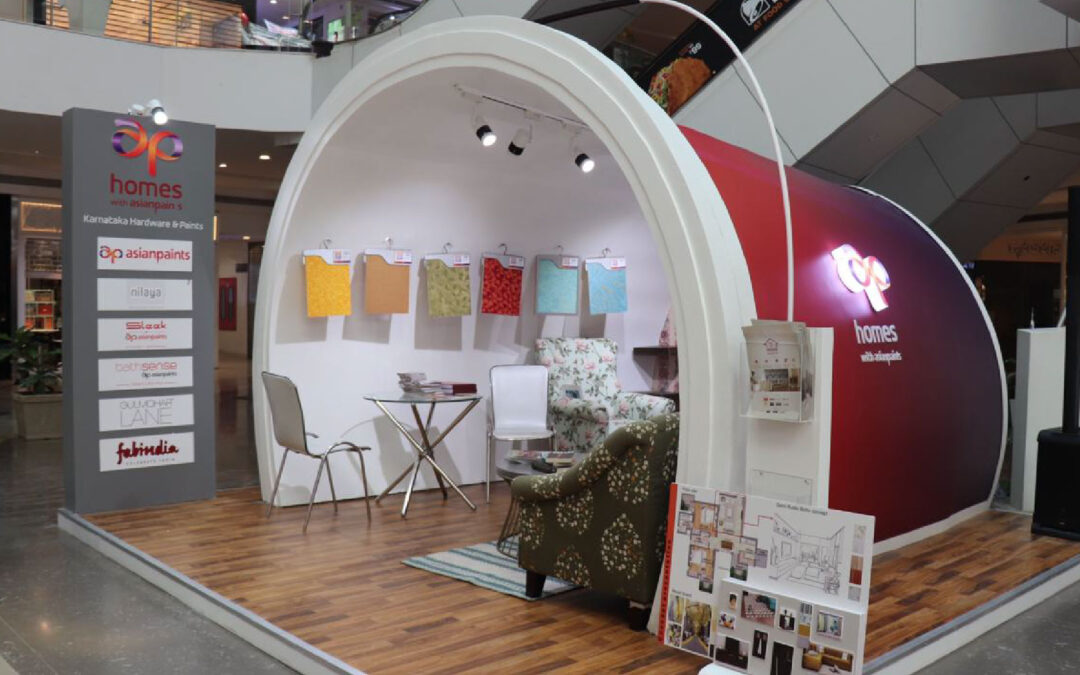
Exhibitions are a natural playground for experiential marketing. A well-designed stall is not just a display but a branded environment. By creating zones for interaction, demonstrations, and conversations, brands turn a temporary stall into a long-lasting impression.
Pro Tip: Use interactive displays, live demos, or immersive themes that reflect the brand story.
Product Launches That Feel Like Theatre
A product launch is a perfect moment for experiential storytelling. Instead of simply presenting a product, create an atmosphere of anticipation, drama, and engagement. The reveal should feel like a performance that audiences are part of, not just witnesses to.
Pro Tip: Incorporate dramatic staging, live experiences, or thematic décor that immerses the audience in the product’s world.
Brand Activations That Spark Conversations
Activations bring brands directly to audiences in their everyday lives — malls, campuses, public spaces. Done well, they create buzz, drive engagement, and encourage word-of-mouth marketing. The key is designing experiences that feel authentic and shareable.
Pro Tip: Keep activations simple but engaging — like interactive games, sampling stations, or creative installations that invite participation.
Conferences and MICE as Engagement Platforms
Conferences, dealer meets, and MICE events aren’t just corporate gatherings — they’re opportunities to build loyalty. Adding experiential elements such as recognition ceremonies, interactive workshops, or thematic networking zones transforms them into powerful brand-building platforms.
Pro Tip: Make the attendee journey memorable, from welcome kits and décor to closing experiences.
Why Offline Still Wins
In a world dominated by digital campaigns, offline experiences stand out because they are tangible and memorable. A handshake, a live demo, or an immersive space leaves a far deeper impact than an online ad that disappears in seconds. Experiential marketing thrives in the offline world because it taps into human emotions and real interactions.
Case in Point: Offline Experiences That Last
At Paper & Pixel, we’ve seen how offline experiences change brand perception. From exhibition stalls that attract thousands of visitors to dealer meets that strengthen loyalty, our work proves that experiential marketing in the offline world creates memories that digital campaigns alone can’t.
Conclusion: Experience Is the New Marketing
Experiential marketing is no longer optional; it’s essential. By designing interactions that engage, surprise, and delight, brands move beyond awareness into relationships. In the offline world, experiences are the bridges that connect brands and people.
At Paper & Pixel, we help brands craft these experiences — ones that captivate audiences today and echo long into tomorrow. Because in the end, your brand shouldn’t just be seen — it should be remembered.